




Community clinicians are often faced with a familiar challenge. An individual is still using their standard armchair or rise-and-recline chair, but subtle signs suggest it may no longer be meeting their needs.
The issue is rarely a single presenting problem. More often, it is a combination of small changes that develop over time; increased fatigue, reduced sitting tolerance, changes in posture, greater reliance on carers, or reduced engagement in daily activities.
The question is not simply whether a person can still sit in their chair. The real question is whether that chair continues to support comfort, posture, function, safety, and wellbeing throughout the day.
The Challenge of Gradual Change
In community practice, seating concerns often develop incrementally rather than as a sudden event. Clinicians may observe:
- Progressive sliding or sacral sitting
- Increased postural asymmetry
- Reduced sitting tolerance
- Pain or discomfort
- Difficulty with transfers
- Increased dependence on caregiver input
- Reduced participation in meaningful activities
- Emerging pressure concerns
Because these changes occur gradually, they can become normalised by individuals, families, and care teams, delaying intervention until a significant problem occurs.
When Should Standard Seating Be Reviewed?
Consider reviewing seating provision when the current chair is:
- Associated with fatigue, discomfort, or reduced sitting tolerance
- Limiting function or participation
- Resulting in the need for frequent repositioning
- Requiring increasing workarounds to maintain safety
- Increasing caregiver burden
- No longer supporting safe transfers
- Impacted by changes in health status, home environment, or support arrangements
Importantly, intervention should not wait until there has been a fall, pressure injury, or significant loss of function. Early identification can help prevent risks from escalating and support better long-term outcomes.
Looking Beyond Posture
While posture remains a critical consideration, effective home seating assessments require a broader perspective. Successful seating provision should consider:
- The Individual
- Postural control and stability
- Movement patterns and fatigue
- Cognition and communication
- Pressure risk
- Personal goals and preferences
- Function
- Daily activity participation
- Transfers and mobility
- Sitting tolerance
- Functional engagement throughout the day
- The Environment
- Home layout and available space
- Existing equipment
- Caregiver support and capacity
- Practicality of implementation and ongoing use
A chair may appear clinically appropriate during assessment but fail to support consistent outcomes once introduced into the realities of everyday life.
Addressing the Gap Between Standard Seating and Specialist Support
One of the recurring challenges in practice is identifying an option that bridges the gap between traditional domestic seating and highly specialised equipment.
For some individuals, environmental adaptations, education, changes to daily routines, or a more supportive care chair may be sufficient. Others, particularly those with complex postural, pressure care, or positioning needs, may require a fully configured specialist seating system.
The key is ensuring that the seating solution matches the individual’s current needs whilst remaining practical, sustainable, and usable within everyday home life.
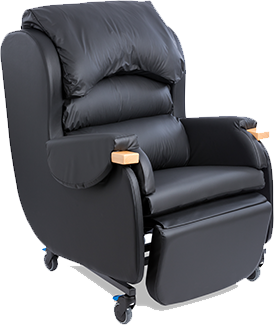
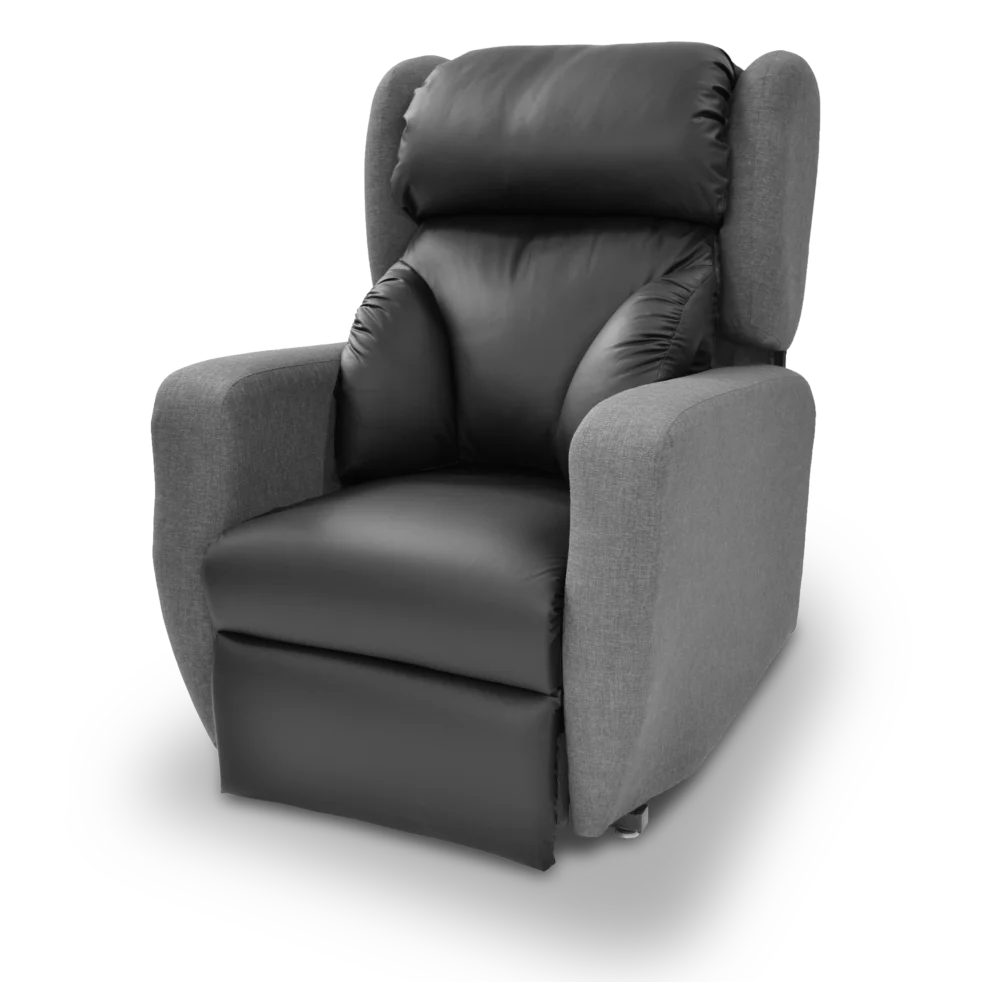
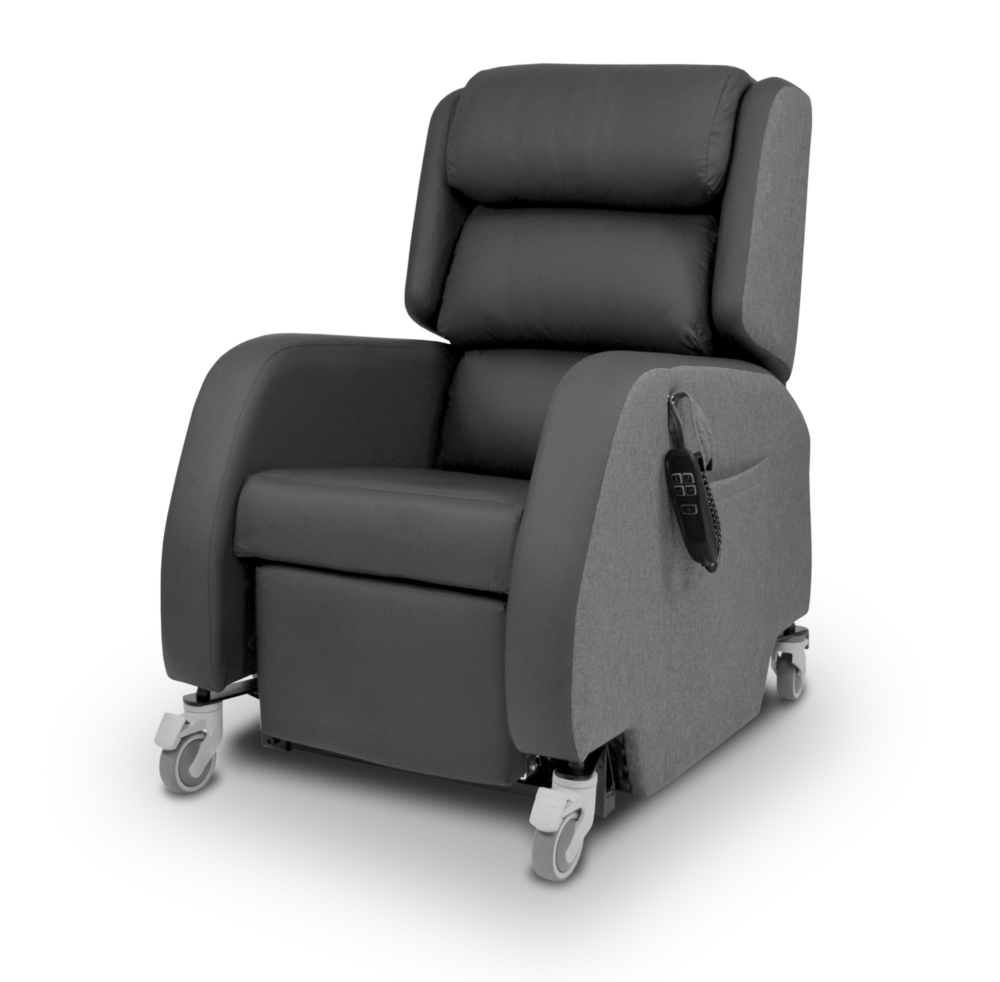
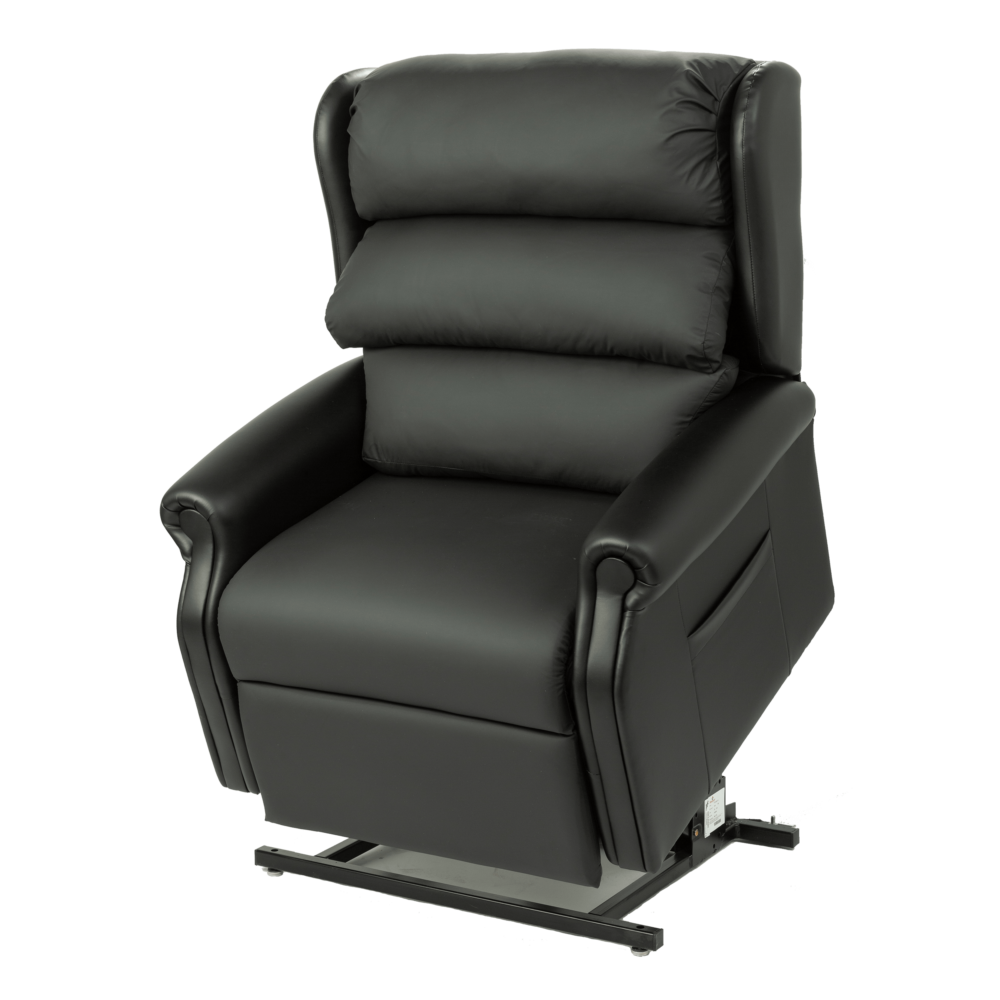
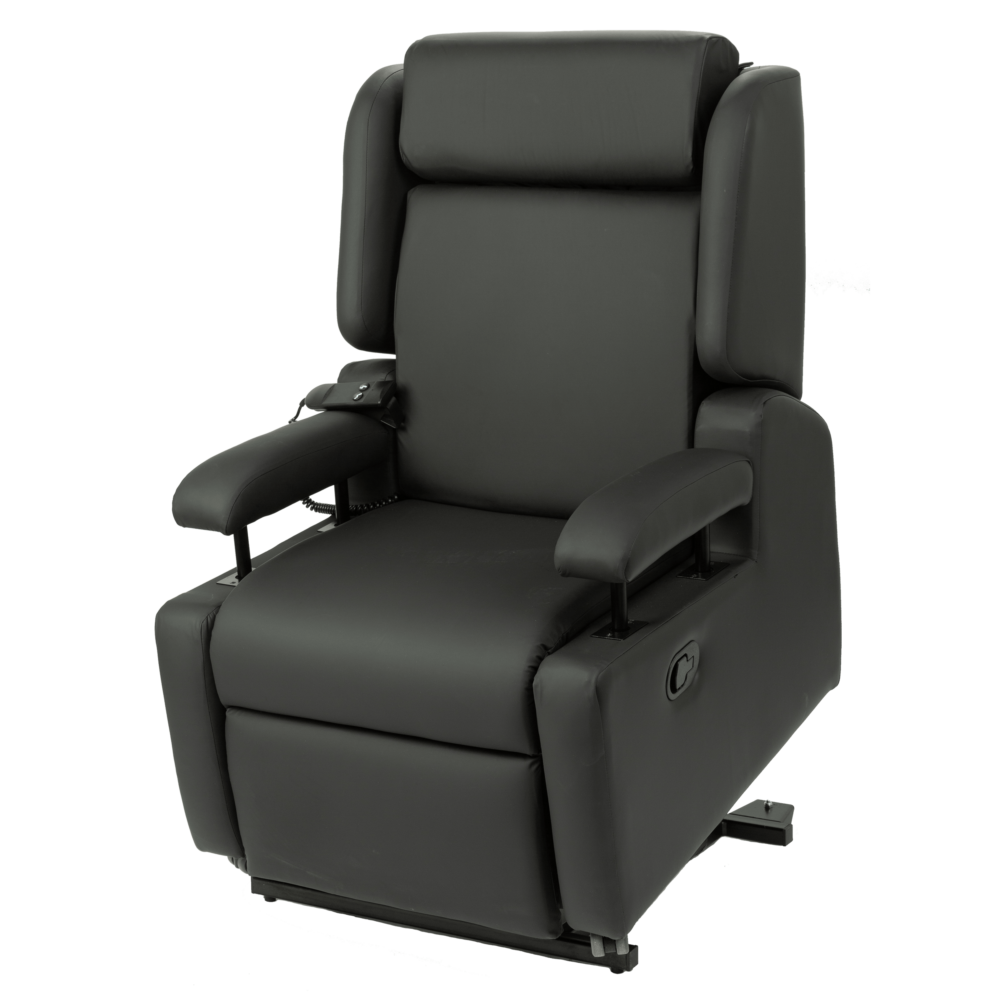
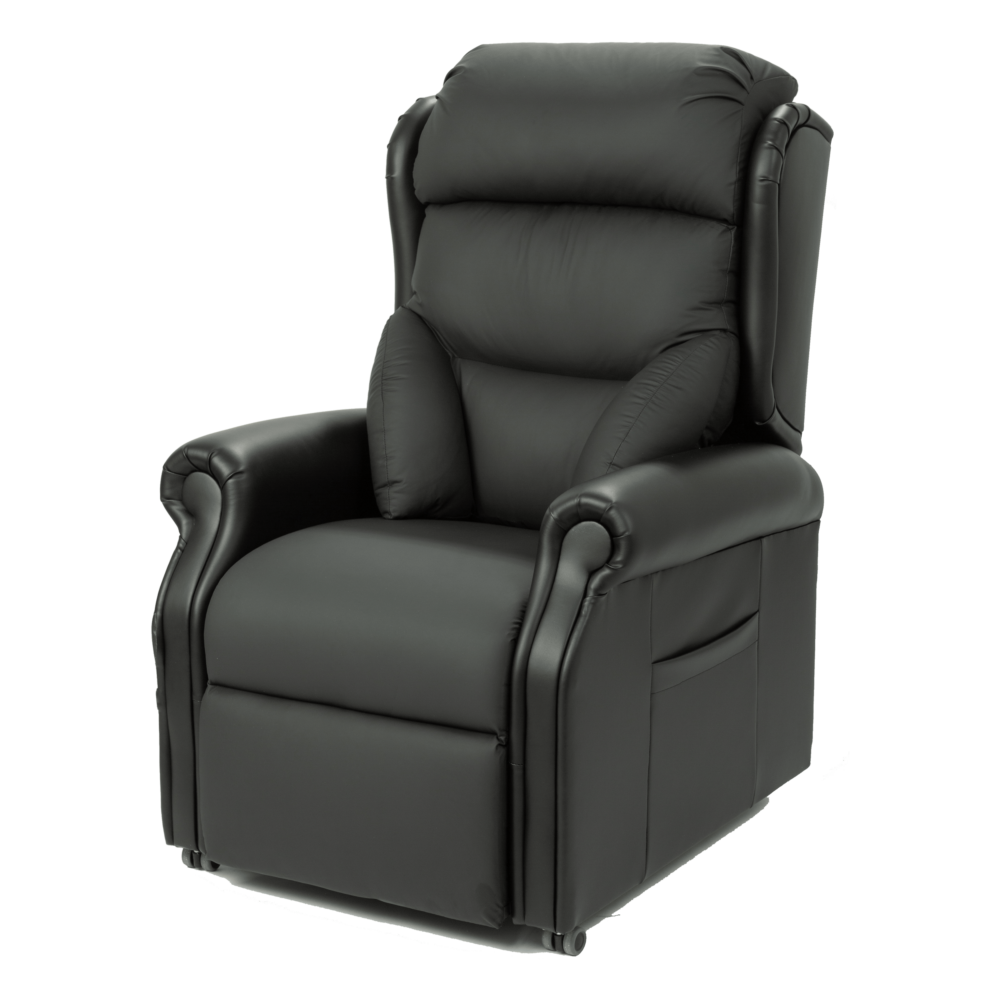
The CareFlex EasiTilt has been developed to support individuals whose needs are no longer adequately met by a standard armchair or rise-and-recline chair, while remaining suitable for everyday use within the home.
The chair incorporates a gentle tilt-in-space movement, allowing the whole seating system to tilt whilst helping maintain the individual’s position within the chair. This can support comfort, stability, and positioning throughout the day, while reducing the need for frequent repositioning.
The EasiTilt can also be configured to individual requirements through:
- A range of backrest options
- Adjustable seat dimensions
- An elevating and negative angle leg rest
- Accessories and positioning components
This adaptability allows the chair to be tailored to the individual’s presentation, goals, and changing needs over time.
A Home-First Seating Solution
As clinicians, our goal is not simply to prescribe a chair. It is to support an individual to remain comfortable, safe, and engaged in the activities that matter to them. The most effective seating solutions are those that work within the reality of daily life, supporting not only posture and pressure care, but also function, participation, dignity, and wellbeing.
The CareFlex EasiTilt has been designed with these principles in mind, providing a supportive seating option for individuals who require more than standard seating can offer, without losing sight of the practical realities of home life.
Ultimately, successful seating provision is not defined by the chair itself, but by whether it enables the person to sit comfortably, participate meaningfully, and maintain quality of life throughout their day.